




After an arduous five-year wait, marked by production delays, auteur director Shukou Murase finally returned with his long-awaited sequel to the critically acclaimed Mobile Suit Gundam: Hathaway’s Flash.
The film adapts the second, or middle, book in Yoshiyuki Tomino’s 1989 novel trilogy, carrying the subtitle The Witch of Circe (キルケーの魔女, literal translation), officially localized as The Sorcery of Nymph Circe.
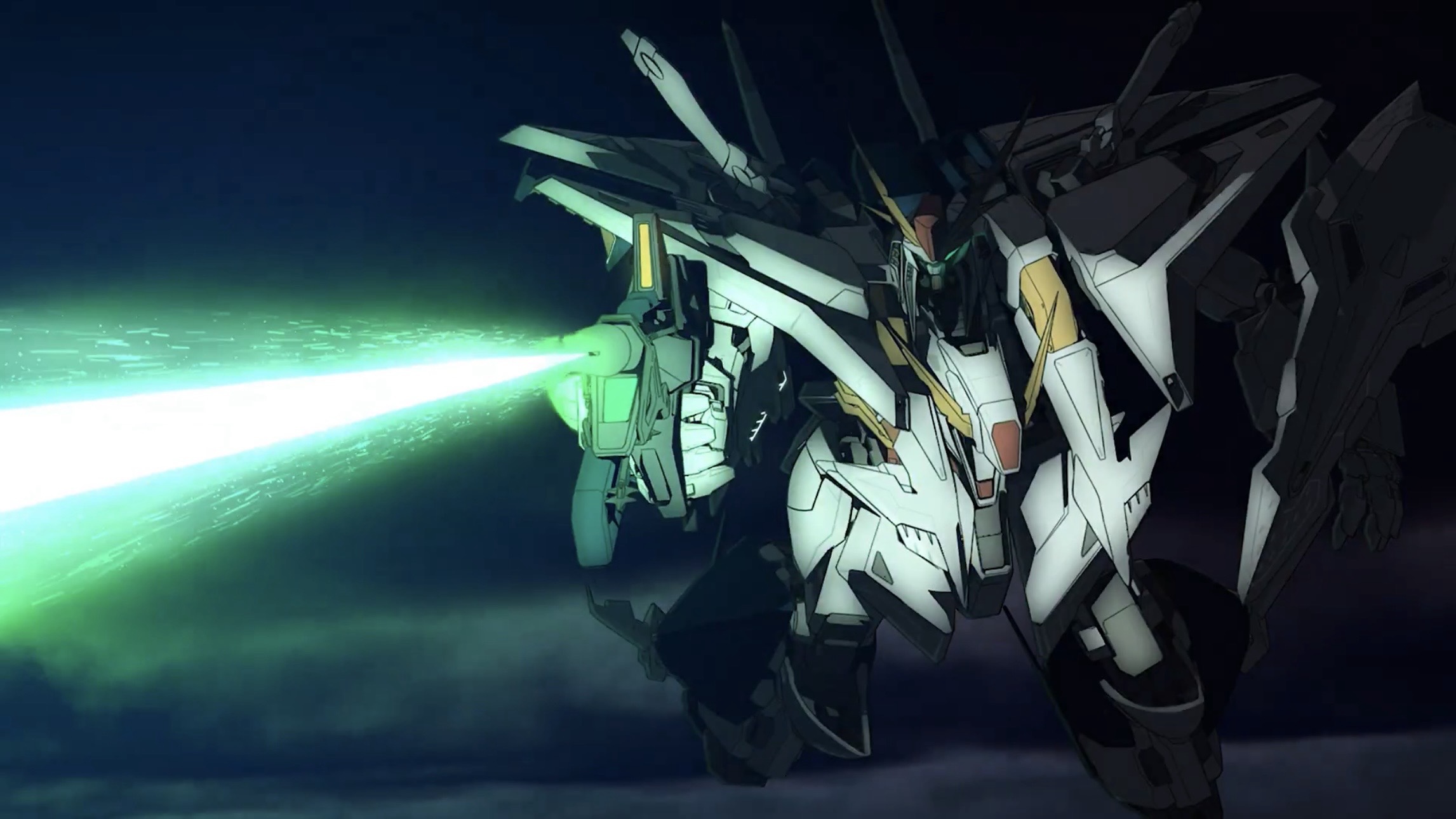
When the project was first greenlit, the working title was Sun of Bright. The final subtitle instead reflects how the second film centers around the mysterious beauty Gigi Andalucia, whose almost supernatural intuition and uncanny luck give her a witch-like presence throughout the story. It also ties into antagonist Kenneth Sleg’s “Circe Unit,” further reinforcing the mythological motif behind the title.
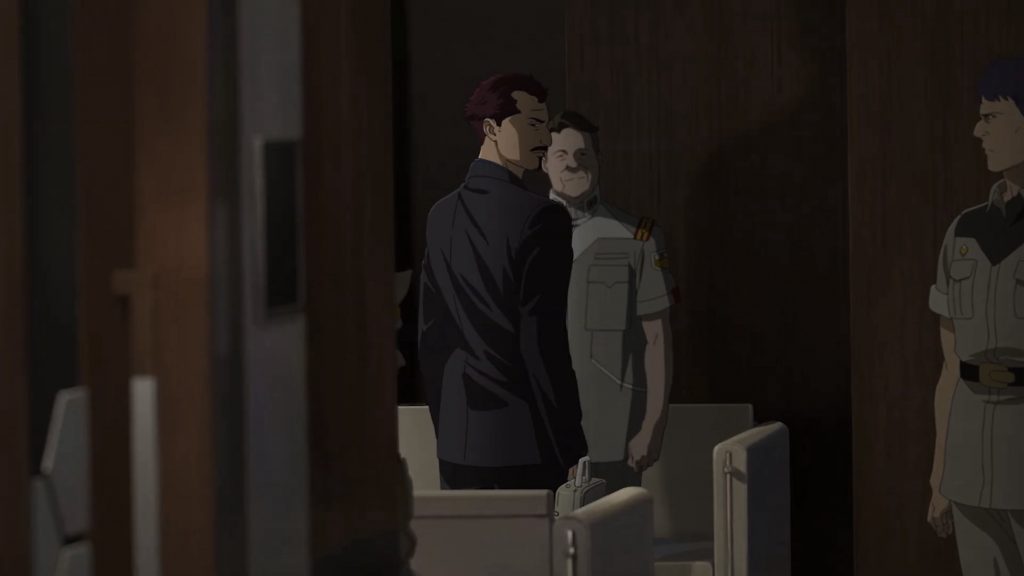
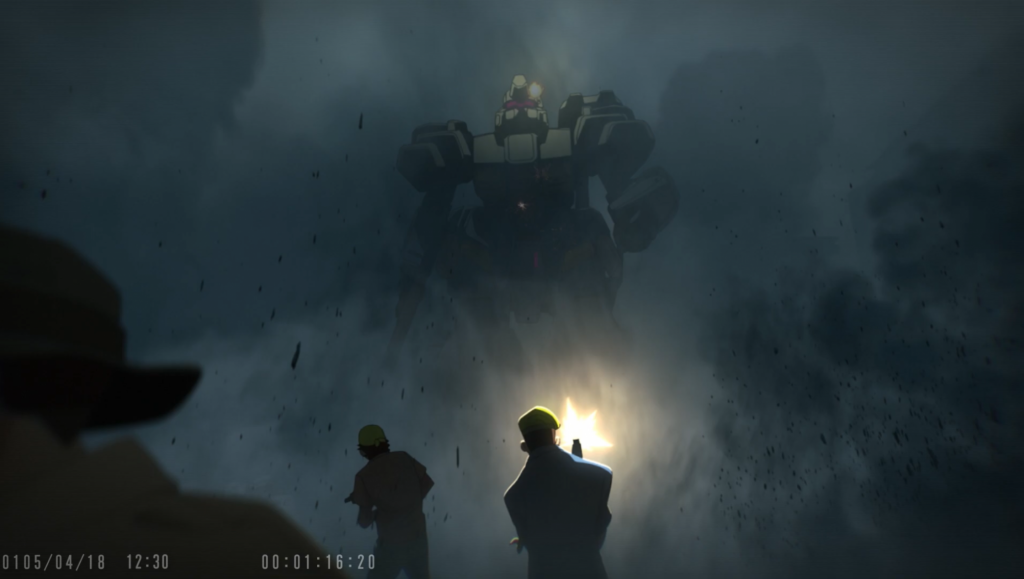
Though there were initially discussions and concerns during production between Yoshiyuki Tomino, producer Naohiro Ogata, and Murase regarding how closely the film should follow the novel, this second installment ultimately becomes a near 1:1 adaptation of the second book, even lifting lines directly from the pages, much like the first film.
Murase clearly holds deep admiration for the novels and strives to respect Tomino’s work while reflecting his style as faithfully as possible, perhaps to Tomino’s own dismay.
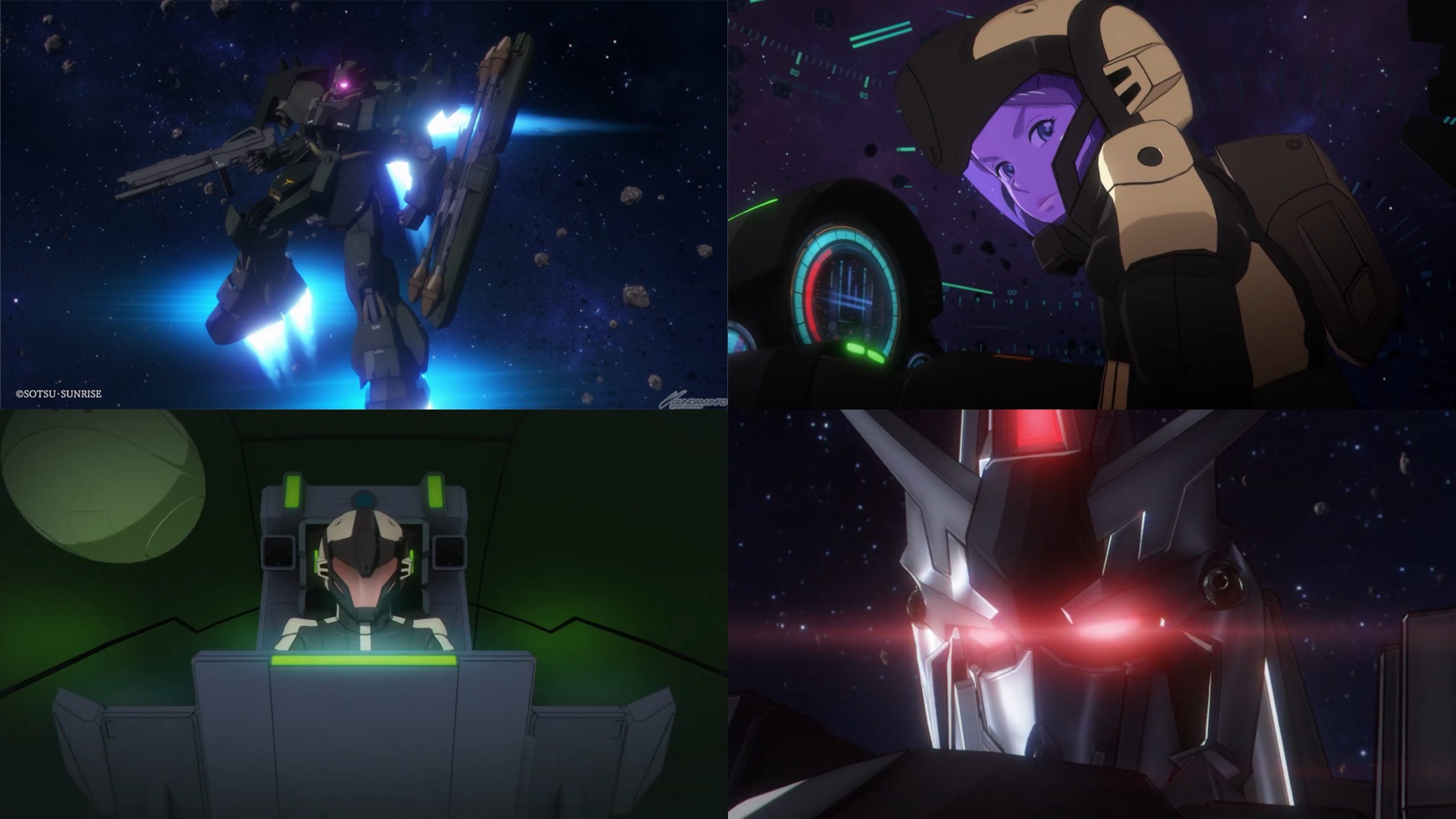
Yet despite Murase emphasizing the “Tomino-ness” of the film, Circe remains unmistakably a Shukou Murase work. From beginning to end, the film is drenched in Murase’s signature ambient darkness, trippy visual direction, psychoanalytic storytelling, Western-inspired cinematography, and even his fondness for Western music selections.

Hathaway’s Flash bears many narrative and aesthetic similarities to Shukou Murase’s earlier work, Genocidal Organ, another politically charged thriller exploring government surveillance, ideological extremism, and the moral ambiguities surrounding political violence.
Circe places far greater emphasis on Hathaway’s psychological turmoil, which was only hinted at in the first film. The solemn ascent into space, his trauma-induced recollections of Char’s Rebellion, and his conversations with the ghost of his fallen childhood love Quess Paraya are all expanded into emotionally devastating dramatic moments.
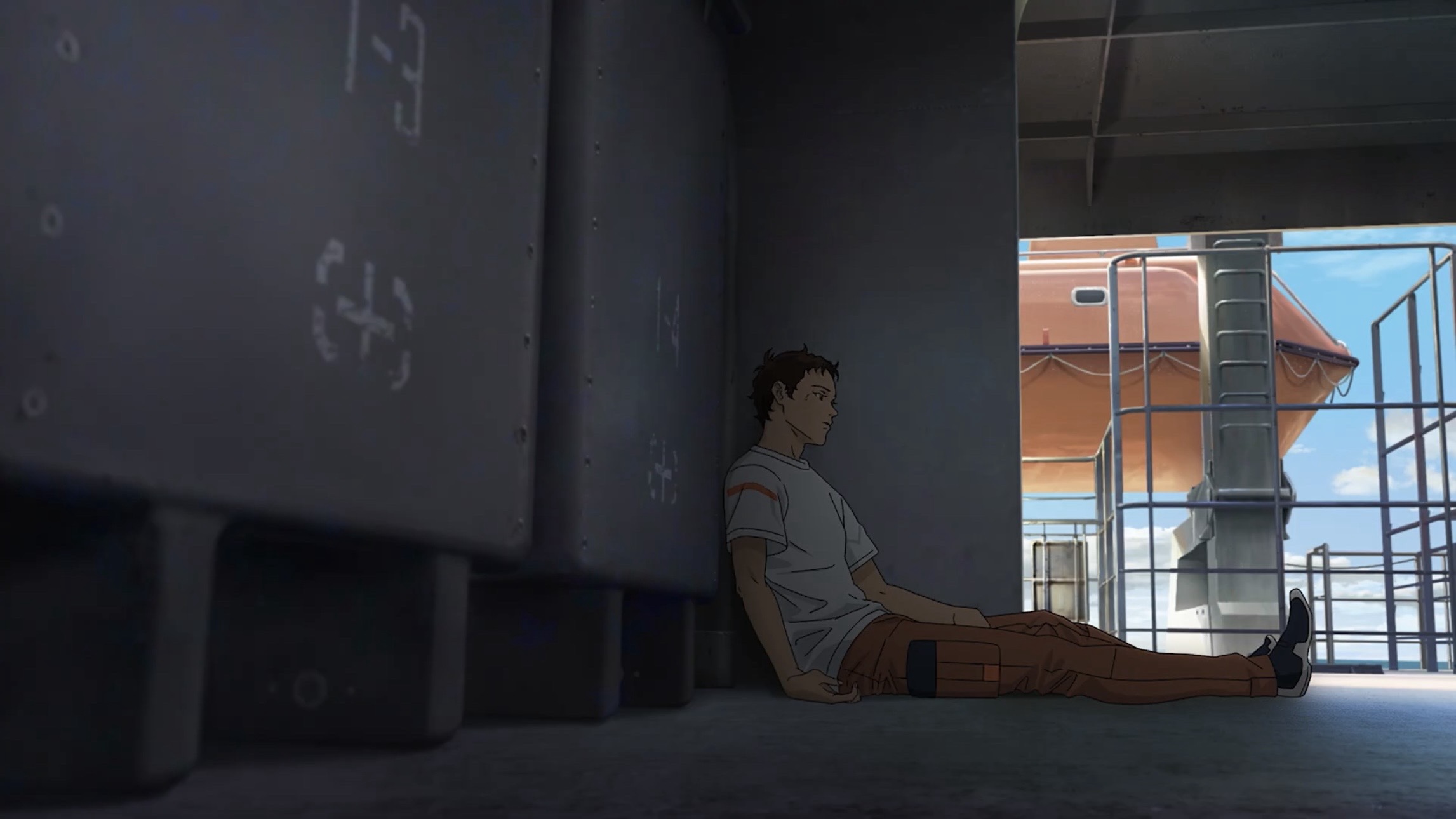
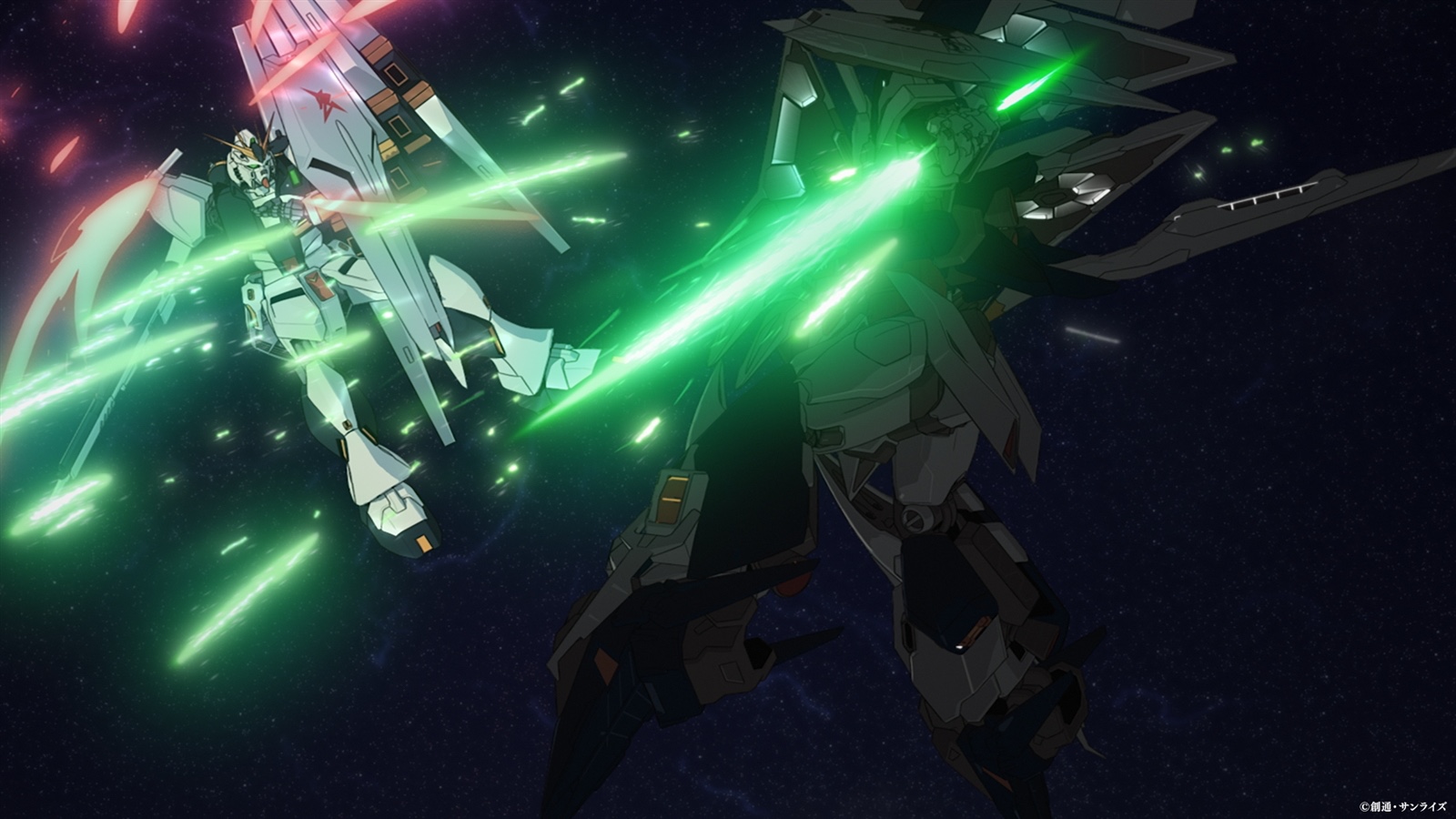
Even the film’s climactic third-act battle between Hathaway and Lane Aim becomes less a conventional mobile suit duel and more of a psychological confrontation between Hathaway and the lingering ghost of Amuro Ray, as Hathaway recites ideals and lines pulled directly from Char’s Counterattack, revealing how deeply trapped he remains within the legacy of the previous generation.
Another key aspect of Hathaway’s character in this film is his carnal lust for Gigi. To Hathaway, Gigi doesn’t merely carry the aura of Quess, she also embodies an unattainable, classical beauty far beyond what he believes someone like him deserves. Yet conversely, as Mafty Navue Erin, Hathaway is supposed to represent a virtuous ideological figure guiding humanity’s reformation.
The immense pressures of his role as Mafty, combined with his growing obsession with Gigi, begin driving a wedge between Hathaway and his girlfriend Kelia Dace, whom he met through his botanical studies in Hong Kong.

Hathaway is not intended to be a heroic or traditionally noble character. He is a victim of Char’s Rebellion, a traumatized young man haunted by his past and incapable of truly moving forward. In many ways, he embodies the grimness of Yoshiyuki Tomino’s 1980s storytelling, a tragic war allegory centered on psychological damage, ideological disillusionment, and the inability of humanity to escape the cycles of violence inherited from previous generations.
As the subtitle implies, Gigi takes on a far more central role in the story, evolving from Hathaway and Kenneth’s secret love interest into a figure who becomes the fascination of both Mafty and the Circe Unit alike.
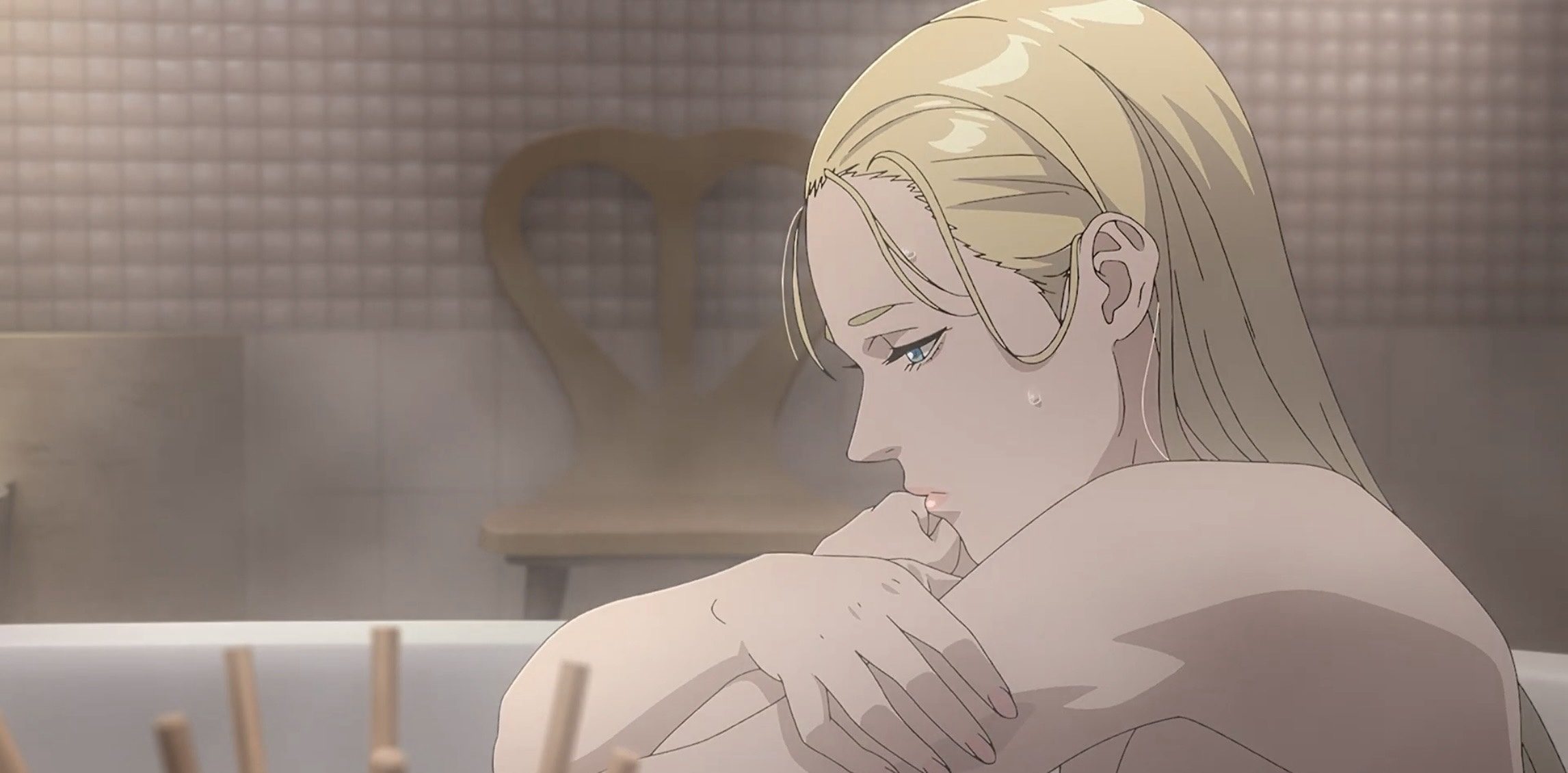
Gigi is a mysterious young courtesan attached to the powerful yet elderly Count Cardeas Boundenwooden, though their relationship is portrayed as far less lecherous than one might initially assume. Instead, it resembles a complex pseudo-romantic and grandfatherly bond, where he not only provides her with a luxurious and carefree lifestyle, but also imparts wisdom about the nature of life, humanity, and desire.

Gigi is a woman who has been given everything, yet none of it truly satisfies her. Instead, she becomes drawn toward the intrigue, danger, and emotional tension surrounding Hathaway and Kenneth, two men standing on opposite sides of history, both poised at the precipice of the Universal Century’s fate.






















No Comment