



Two films into director Shukou Murase’s Mobile Suit Gundam: Hathaway’s Flash trilogy, he has remained remarkably faithful to the original novels, other than the occasional new mobile suit, expanded sequence, or scene adjustment here and there.
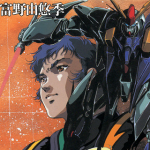
One of the most fascinating additions to his films is the inclusion of Earth Federation ace Amuro Ray. Outside of passing mentions, Amuro is absent from the original novels, but in Murase’s adaptation he lingers as a ghost haunting Hathaway Noa.
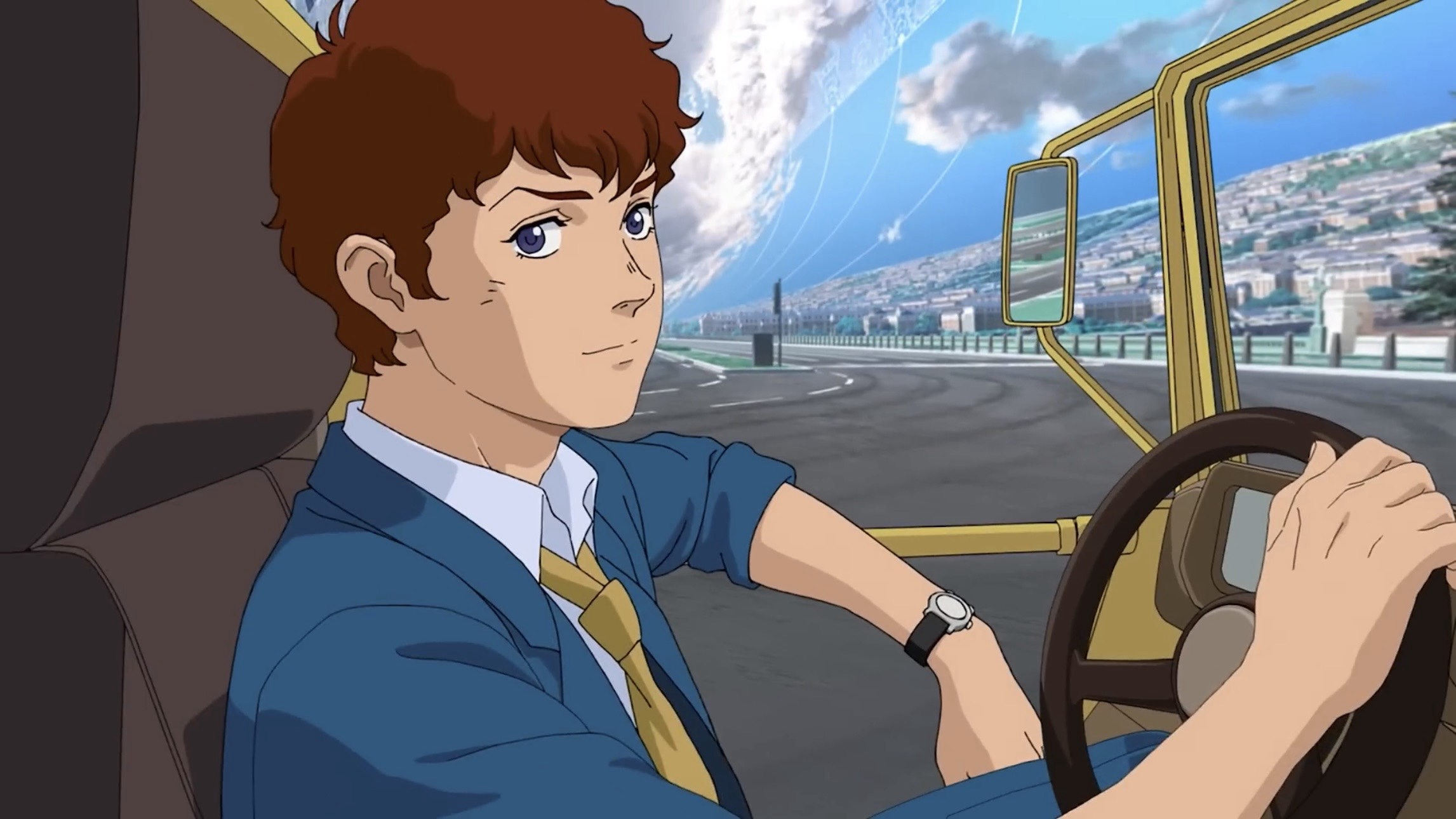
Toru Furuya has reprised his role as the iconic mecha hero in both films, and he remains in top form. Even with the more subdued and spectral portrayal of Amuro in Hathaway’s Flash, Furuya effortlessly slips back into the character’s warmth, conviction, and quiet authority, making Amuro’s presence feel both comforting and haunting at the same time.
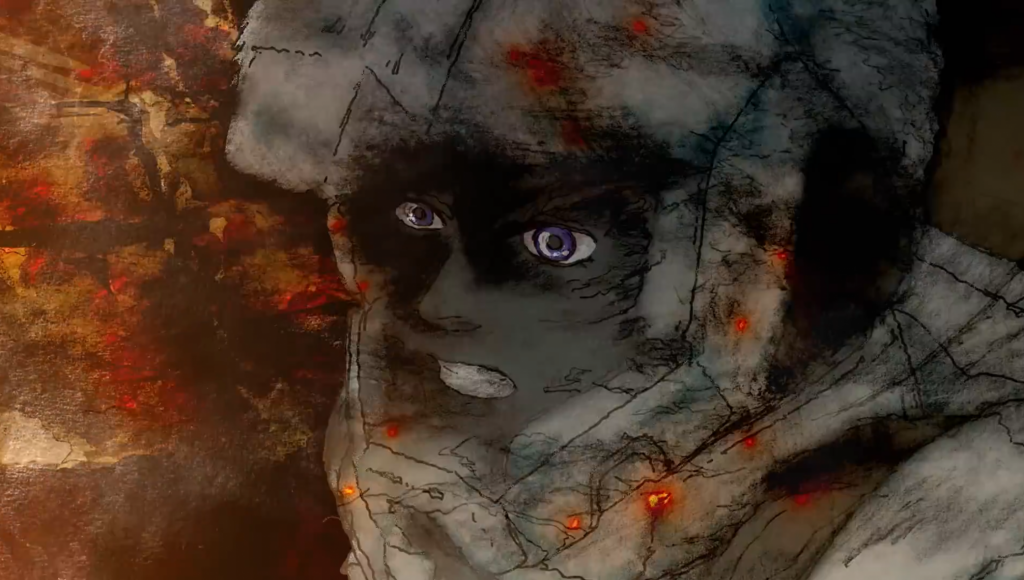
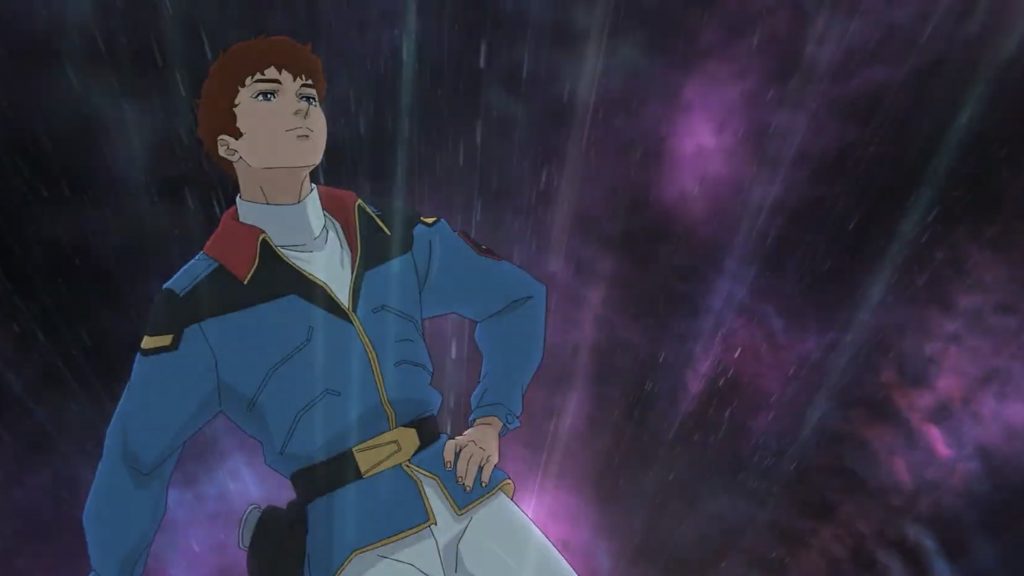
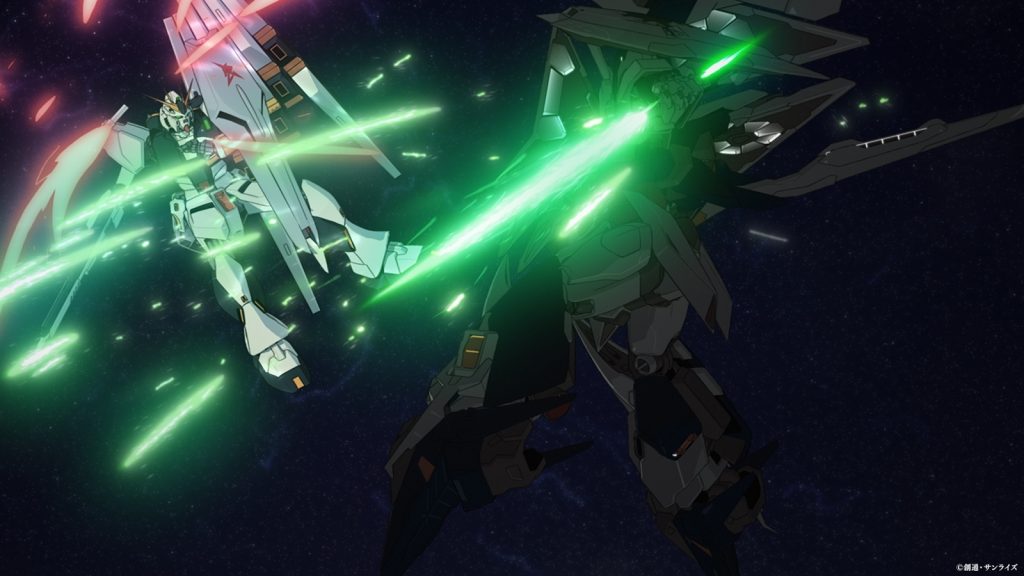
This disillusionment comes to a head in the second film. During the third act battle against Lane Aim, Hathaway is psychologically triggered upon seeing the Mass-Produced ν Gundam, mentally projecting RX-93 ν Gundam in its place. The confrontation transforms into a surreal battle against the ghostly image of Amuro himself, with the two exchanging ideals and dialogue lifted directly from Char’s Counterattack.

Lane himself could be interpreted as an Amuro-like figure, the young Federation ace pilot and naive idealist acting as a foil to Hathaway’s Char-like role as a radical extremist. Although both recognize the corruption and failures of the system, they ultimately stand on opposite sides of what justice should look like.
By having Hathaway mentally project Amuro onto Lane during their battle, Murase reinforces the idea that the Amuro-Char dichotomy carried over into the next generation.










No Comment